


5 ways volunteering enhances well-being
With the spirit of the holidays in the air, it’s the perfect time to explore how volunteering can enrich your life.
DECEMBER 2, 2024
BY KINUMI ADMIN
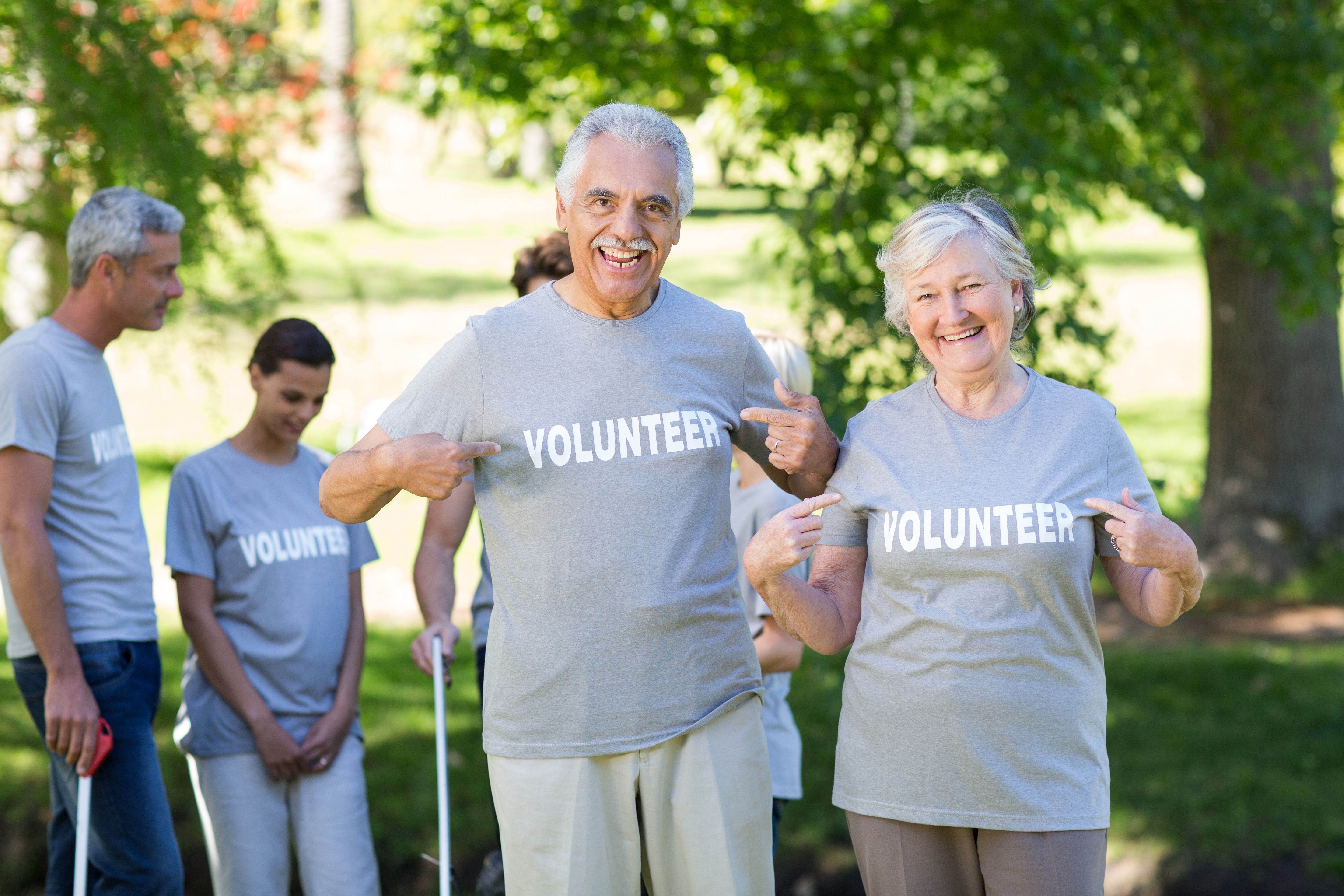
December is a month filled with giving, gratitude, and reflection. With the spirit of the holidays in the air, it’s the perfect time to explore how volunteering can enrich your life. Whether you’re an older adult seeking ways to stay engaged or a caregiver looking to support a loved one, giving back benefits everyone involved.
Research underscores these benefits: older adults who volunteer at least two hours a week reduce their risk of early death, experience improved physical activity levels, and report a greater sense of overall well-being compared to those who don’t volunteer. (Harvard T. H. Chan School of Public Health).
Here are five ways volunteering can boost well-being and how caregivers can help make it happen:
1. Boosts mood and reduces stress
Giving back releases endorphins, the “feel-good” chemicals in your brain. According to the American Heart Association, volunteering can significantly lower stress and increase overall happiness, creating a ripple effect of positivity
Caregiver tip: Look for opportunities with flexible schedules or virtual options, so your loved one can contribute in a way that feels manageable. A little extra time and support can make all the difference.
2. Strengthens social connections
For older adults, staying socially connected is essential for mental health (AmeriCorps). Volunteering fosters meaningful relationships and reduces feelings of isolation, helping participants feel valued and integrated within their communities.
Caregiver tip: If transportation is a challenge, look for virtual or nearby opportunities. Many organizations are happy to accommodate older volunteers.
3. Enhances confidence and purpose
Contributing to a cause provides a sense of accomplishment. Many older adults report increased self-confidence and a renewed sense of purpose through volunteer work. Knowing that their efforts make a difference helps build a positive self-image.
Caregiver tip: Talk to your loved one about what excites them. What hobbies or interests do they have that could be used to help others? This allows them to find a volunteer role that aligns with their skills and passions.
4. Supports physical health
Active volunteer roles often encourage movement and activity, promoting better physical health. Regular engagement can help improve mobility and stamina, keeping the body and mind sharp.
Caregiver tip: Be mindful of your loved one’s physical abilities when selecting volunteer activities. Look for options that allow them to engage in light physical tasks, such as organizing donations or assisting with virtual fundraising events.
5. Inspires caregivers, too
For caregivers, encouraging a loved one to volunteer can be a way to bond and create shared experiences. It’s also a chance to observe the joy and vitality that volunteering brings to those they care for.
Seasonal giving: Many organizations seek extra help during the holidays. Look for opportunities with food banks, shelters, or toy drives.
Year-round volunteering: Encourage exploring programs like AmeriCorps’ Senior Corps, which tailors roles to older adults, or local charities that welcome ongoing contributions.
As the year comes to a close, let’s embrace the joy of giving back. Volunteering isn’t just a way to help others, it’s a gift for yourself. Take this opportunity to create memories, foster connections, and inspire a brighter outlook for the year ahead!


© 2022 Kinumi, Inc.
All rights reserved
All rights reserved