


Giving back through volunteering
Volunteering is one of the simplest yet most powerful ways to create positive change in the lives of older adults
DECEMBER 2, 2024
BY KINUMI ADMIN
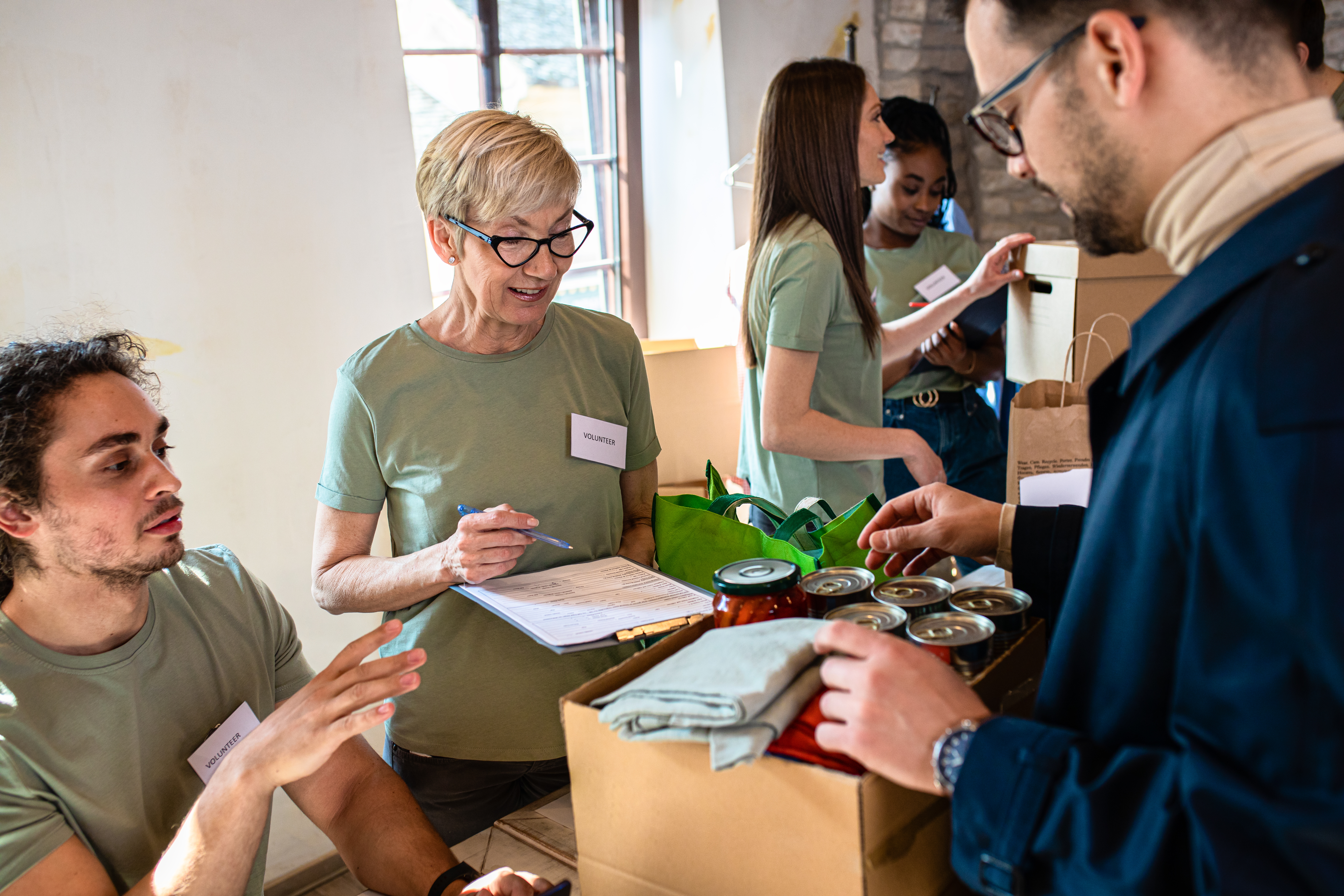
As the year winds down, it's a great time to reflect on all the good we can do both for ourselves and others. Volunteering is one of the simplest yet most powerful ways to create positive change in the lives of older adults. It can boost mental and physical health, reduce stress, and improve overall well-being. In fact, research from the Harvard T.H. Chan School of Public Health shows that older adults who volunteer for at least two hours per week lower their risk of early death, become more physically active, and experience better well-being compared to those who don’t volunteer. So, how can organizations like yours support older adults in their communities and encourage them to get involved?
1. Create accessible volunteer opportunities
For many older adults, health, mobility, or time constraints may prevent them from taking on traditional volunteer roles. Offering flexible hours, remote volunteer opportunities, or roles that don’t require heavy physical exertion can make it easier for older adults to participate. Think about positions that allow them to contribute their knowledge or skills in a way that feels meaningful without being overwhelming.
Example: A local library could invite older adults to read stories to children or assist with organizing book clubs that meet virtually or in accessible locations. These roles foster a sense of contribution while still being manageable.
2. Promote intergenerational volunteering
One of the best ways to strengthen communities is by fostering connections between generations. Older adults and younger people volunteering together can help combat loneliness, provide mutual support, and create shared experiences.
Example: A senior center could partner with a local high school to mentor students in job readiness or provide technology training. These experiences benefit both generations by offering learning, connection, and growth.
3. Recognize and celebrate contributions
Older adults often want to contribute but may not always feel appreciated for their efforts. Recognition is a powerful motivator, so make sure your organization celebrates the contributions of older adult volunteers. Whether through awards, shout-outs in newsletters, or hosting a volunteer appreciation event, these simple acts of recognition can help reinforce the value of their involvement.
Example: Host a “Volunteer of the Month” celebration at your senior community center or organization, where you highlight the efforts of those who volunteer, whether they’re teaching a class, mentoring a young person, or organizing an event.
4. Offer training and development
Providing training programs or workshops can give older adults the tools and confidence they need to engage fully. Offering these resources not only empowers them but also enhances their ability to contribute in meaningful ways.
Example: A nonprofit organization could offer a series of training sessions to help older adults become certified to work in animal shelters or food banks, giving them the skills they need to serve effectively.
5. Foster a sense of community
Volunteering isn’t just about giving back; it’s about creating bonds and fostering a sense of belonging. Encourage older adults to get involved in group activities that promote social connection. This can help reduce isolation and enhance the emotional benefits of volunteering.
Example: Organize group volunteer days where older adults can participate in hands-on projects, followed by a social gathering to celebrate the work they’ve done. It’s a chance to connect, unwind, and form lasting friendships.
6. Leverage technology for broader engagement
With more digital tools at our fingertips, there are endless opportunities to create virtual volunteer options that enable older adults to participate from the comfort of their own homes. Whether it’s mentoring students online, managing social media for a local charity, or assembling care packages remotely, technology can bridge the gap for older adults who are unable to attend in-person activities.
Example: Create virtual volunteer roles such as online support for mental health services, telemedicine support, or virtual companionship for homebound seniors.
Supporting older adults through volunteering programs is a win-win for everyone. Whether you’re a healthcare provider, a nonprofit, or an organization serving older adults, you can make a difference. Encourage your members or employees to volunteer, recognize their contributions, and make it easy for them to get started. After all, there’s no better time to start giving back.
Let’s create communities where everyone can thrive, no matter their age. Together, we can make this season of giving just the start of something lasting and meaningful!


© 2022 Kinumi, Inc.
All rights reserved
All rights reserved